DMI
Get a Quote
DMI
From single-use oxygen masks to closed suction catheters, disposable consumables have become the quiet backbone of infection prevention in hospitals worldwide. Here's what manufacturers and distributors need to know in 2025.


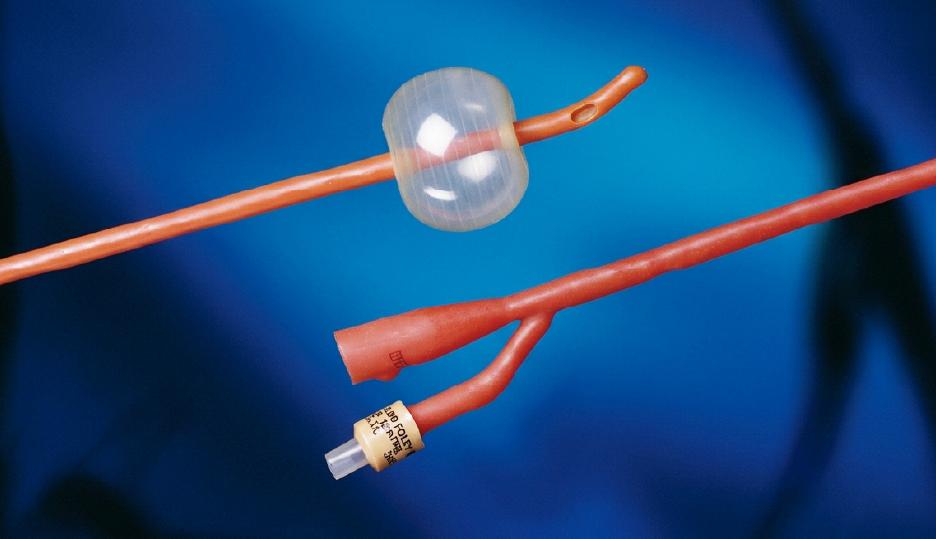
Over the past decade, healthcare systems have shifted decisively toward single-use, pre-sterilized medical consumables. The reason is simple — they measurably reduce hospital-acquired infections (HAIs), shorten turnover time between patients, and simplify compliance with international sterility standards.
But not all disposables are created equal. The difference between a device that performs reliably in a critical-care environment and one that fails during use often comes down to materials, tolerances, and quality systems — details that only manufacturers with ISO 13485-aligned processes tend to get right consistently.
According to WHO estimates, approximately 7 in every 100 hospitalised patients in developed countries — and 10 in developing ones — acquire at least one infection during their stay. Respiratory and catheter-associated infections remain the two leading categories.
7–10%
Global HAI rate
30%
Preventable via single-use
$45B
Annual cost worldwide
Single-use consumables directly address the most common transmission vector: incomplete reprocessing of reusable equipment. When a device is designed, packaged, and sterilized once — then discarded after a single patient encounter — an entire class of cross-contamination risk is eliminated.
Five product families account for the majority of measurable safety gains:
"When we switched to fully disposable breathing circuits across our ICU, ventilatorassociated pneumonia rates dropped by 41% within two quarters. The clinical case is no longer debatable."
— Dr. Elena Marchetti, Chief of Respiratory Care, Mercia University Hospital
From a manufacturing standpoint, three dimensions determine real-world performance:
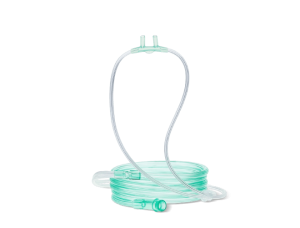
Medical-grade PVC, PP, silicone, and TPE each have specific indications. A nasal cannula, for example, must stay soft at body temperature while resisting kinking under 8 L/min flow — requirements that demand precisely formulated PVC compounds, not generic plastics.
An ET tube with a 0.2 mm deviation in inner diameter can change airway resistance enough to matter clinically. Leading manufacturers control tolerances through closed-loop extrusion and 100% dimensional inspection on critical batches.

English